How Much Does a Custom CRM Cost? Requirements First, Then the Maths
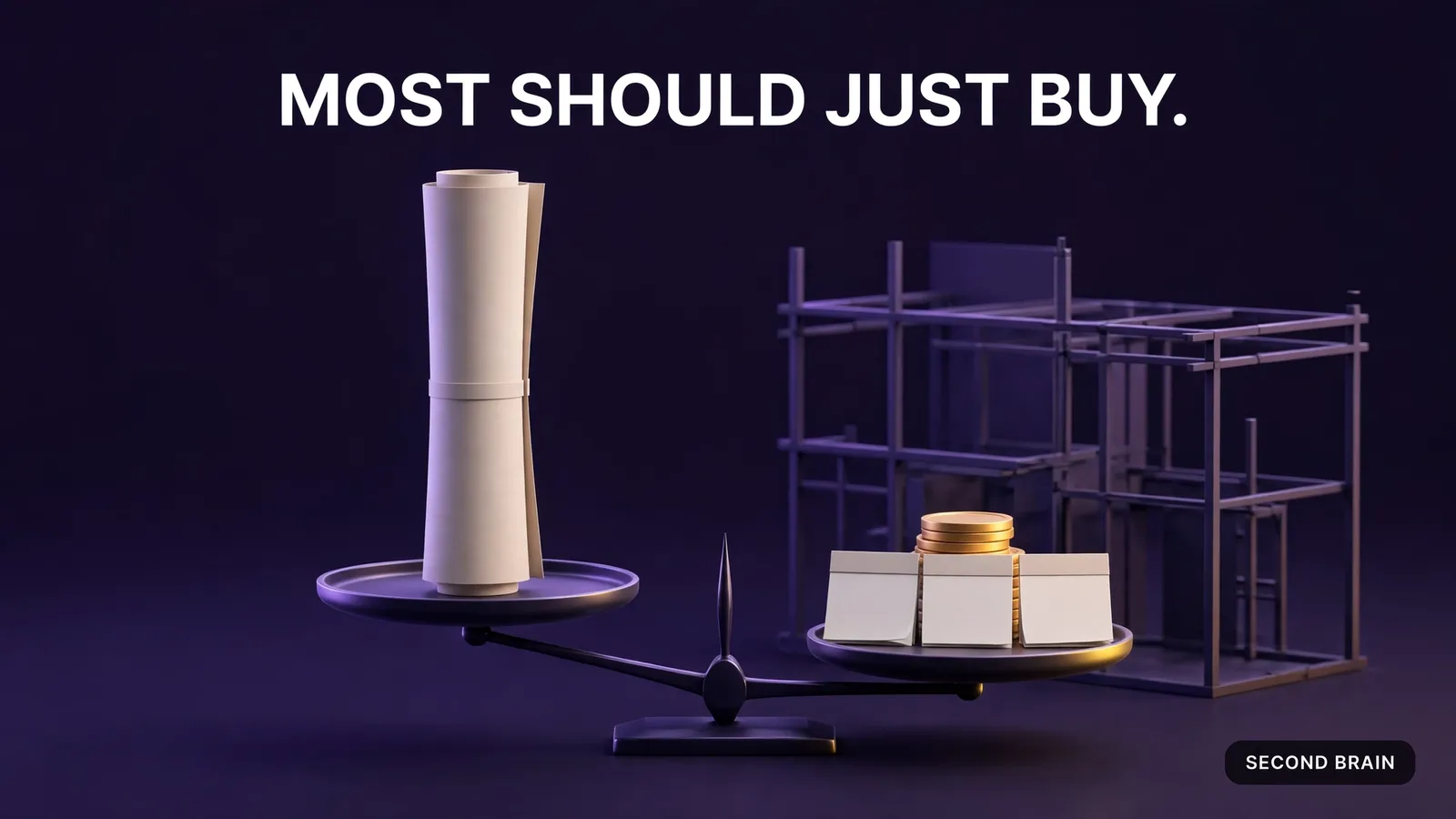
TL;DR: Start from requirements, not products. List what the CRM must do inside your operation: the pipeline stages you actually run, the automations that must fire, the reports you actually read. In our experience, an established off the shelf CRM configured well covers that list for most service businesses we scope this question with, and building custom would be an expensive indulgence. Custom earns consideration when your process is genuinely specific, your integration load is heavy, or per seat costs at your scale rival build and maintenance. Compare over three years, include configuration and maintenance on both sides, and let the requirements decide.
Key Takeaways
- Requirements before products is the rule. A CRM bought or built without a written requirement list becomes shelfware either way.
- Off the shelf costs are usually per seat, and they run for as long as you subscribe. Custom costs are front loaded plus maintenance. The crossover depends on seats, years, and specificity.
- Configuration is a real cost on the buy side too: setup, migration, training, and the workarounds for what does not fit.
- The strongest reason to build is a process competitors cannot copy because it is yours. The weakest is disliking a menu layout.
- Hybrid is our usual recommendation: a standard CRM at the core, custom tooling around it where your process is unique.
What must a CRM do inside your system?
Write the requirement list from your operation, not from a vendor feature page. For a service business it usually includes: one record per customer that every system reads, pipeline stages matching how work actually moves, automatic capture of calls, texts, and emails against the record, triggers for follow-up and review requests, and reports an owner can pull without an analyst. Our operational pieces show why the record matters: the missed call text back system and the follow-up systems only work because the CRM holds the truth they act on.
Score each requirement honestly: must have, useful, or fantasy. The failure pattern we see most often, on bought and built projects alike, is fantasy requirements quoted as musts. If a standard product covers your musts with configuration, the inquiry should usually end there, and our broader custom versus off the shelf software guide gives that decision its full frame.
What does the buy side really cost over three years?
Add it up completely: per seat subscriptions for everyone who touches the record, including the seats bought for occasional users at full price, implementation or onboarding fees, data migration, integration tools such as the connectors discussed in our Zapier versus custom integration comparison, training time, and the admin hours spent maintaining fields, automations, and reports each month. Then add the hidden line: workarounds. Every report exported to a spreadsheet to be fixed by hand, every process bent to fit the tool's stages, is a cost paid in staff time forever.
None of this makes buying wrong. It makes buying priced. For many businesses the total is still comfortably below a build, and comes with a vendor maintaining the platform. That is a good deal, honestly stated.
What does the build side really cost?
A custom CRM build prices in structure: discovery and specification, the build itself, data migration, testing with your real workflows, training, documentation, and hosting plus maintenance for the life of the system. Platforms change, browsers change, your process changes, and a custom system needs a maintainer, which is a continuing relationship or a continuing hire. Our custom internal tool cost piece prices the neighbouring category the same way, and the discipline is identical: anyone quoting a build without a maintenance conversation is quoting half a system.
The illustrative way to compare, and it is illustrative only: take a planning example of a business with a growing team where per seat costs, add-ons, and integration fees compound yearly, against a scoped build with an annual maintenance allowance. At small seat counts the buy side wins easily on these illustrative numbers. At larger counts with heavy specificity, the gap narrows or flips. Your numbers, inserted into that shape, give your answer. Any post printing a universal crossover point is inventing it.
When does custom actually win?
Three conditions, ideally together. Your process is a genuine competitive asset that standard stages distort. Your integration load is heavy: phone, messaging, scheduling, invoicing, and field tools all writing to one record in real time. And your scale makes per seat economics bite while your requirements stay stable enough to build against. The roofing comparison work on this site, starting with our roofing CRM comparison, shows a vertical where packaged options are strong, which is exactly why our advice to most roofers is to buy, configure deeply, and spend their custom budget on the response and follow-up systems around the CRM instead. Knowing where not to build is most of the value in this analysis.
FAQ
Can a spreadsheet serve as our CRM for now?
For a very small operation, a disciplined spreadsheet can be the honest right answer for a season. The failure signals that end that season are catalogued in our piece on outgrowing spreadsheets: multiple versions, one owner who alone understands it, and reports nobody trusts. Past those signals, cost the spreadsheet honestly against software with your own numbers; for some businesses the sheet is still the cheap option, and for others it quietly is not.
Should we build a CRM or extend the one we have?
Extend first, almost always. Custom fields, pipelines, automations, and an integration or two cover the common gaps at a fraction of build cost. Commission analysis only when extensions start fighting the platform's core model, and bring the requirement list to that conversation.
Who should own a custom CRM after launch?
A named maintainer with a real arrangement: a retained builder, an internal technical owner, or a firm like ours on a maintenance scope you understand. Unowned custom software decays on a predictable schedule. Price the ownership before admiring the build.
What is the biggest mistake in CRM budgeting?
Counting only licences or only the build fee. The full cost is licences plus configuration plus migration plus training plus admin plus workarounds, or build plus maintenance plus hosting plus change requests. Projects that budget half the picture run out of money at the exact point the system starts mattering.
Sources
- The worked comparison framing in this post is labelled illustrative; no vendor prices are asserted.