Missed Call Text Back for Veterinary Clinics: Catching Worried Owners Fast
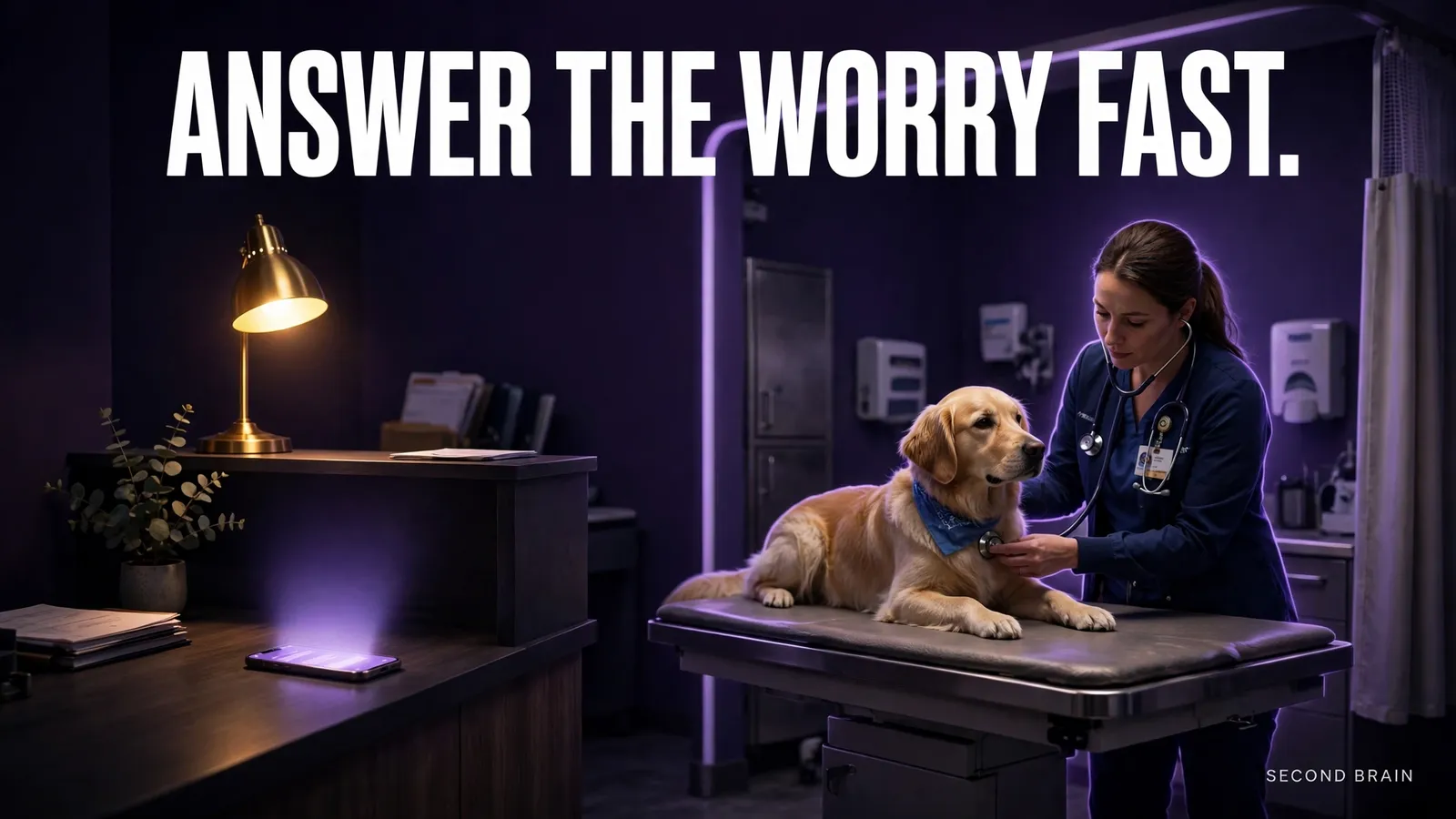
TL;DR: Set up missed call text back so every unanswered call to the clinic gets a text within seconds: acknowledge the missed call, ask whether the matter is urgent, and give a clear emergency route for genuine emergencies. Keep clinical advice out of the automated text entirely. Route replies to one owned inbox, set response hours honestly, and review the log weekly so routine bookings, prescription questions, and worried owner enquiries each get the right next step instead of sitting unseen.
Key Takeaways
- Templates and systems in this guide are structures, not scripts. The middle of every reply or message is written fresh for the person it answers.
- Ownership matters more than wording: one named role checks the queue daily, so nothing waits on whoever happens to be free.
- Privacy and honesty lines are stated plainly in each section. Do not confirm private details in public, do not invent figures, and do not offer incentives for reviews.
- The monthly read is part of the system. Patterns in reviews, replies, and logs are operations findings, not vanity metrics.
Why vet clinics miss the calls that matter most
A veterinary clinic phone rings hardest at exactly the moments nobody can answer it. The team is in surgery, in consults with the door closed, handling an emergency arrival, or working through the morning check in rush. The caller is rarely browsing. They have a pet who is unwell, a puppy due for vaccinations, or a repeat prescription running out, and worry shortens patience. If the call goes unanswered with no follow up, many owners simply call the next clinic on the list.
This is not a claim about any single clinic call volumes, and no missed call rate is asserted here. It is a workflow observation any clinic can test against its own phone log in one week: count the unanswered calls, note when they clustered, and read what happened next. That local evidence, not a borrowed statistic, is what should size the system. The shared mechanics sit in our guide to the missed call text back system. This piece fits them to veterinary work.
What the first text should and should not do
The automated text has three jobs and no more. It acknowledges the missed call so the owner knows the clinic registered it. It asks a simple sorting question, in plain language, so urgent and routine matters separate early. And it states the emergency route plainly, because an automated text must never sit between a genuinely urgent case and urgent help. Wording should direct emergencies to call back immediately or attend an emergency provider, in line with the clinic own out of hours arrangements.
What the text must not do matters just as much. It must not offer clinical advice, guess at a diagnosis, quote fees, or promise a callback time the clinic cannot keep. It should not ask for detailed symptoms by text as a substitute for triage by a qualified person. Keep it short, warm, and honest about when a person will reply. An illustrative opening, not a script to copy verbatim: thanks for calling, sorry we missed you, is this urgent or can we reply when the team is free, and for emergencies please call again now. Adapt it to the clinic voice and arrangements.
Routing, ownership, and honest hours
A text back system fails quietly when replies land in an inbox nobody owns. Assign one named role per shift to watch the thread queue, with a simple rule for handover at lunch and close. Set the stated reply window to match reality: during opening hours a person replies, outside them the text says when the clinic reopens and repeats the emergency route. Honest hours build trust. A promise of an instant human reply at midnight that never comes does the opposite.
Build three lanes from the first reply. Urgent sounding replies go to the clinical team immediately under the clinic own triage rules. Routine care, vaccinations, neutering enquiries, and repeat prescriptions go to the front desk list for callback in order. New client registrations and price shoppers get a clear next step and a booking route. The lanes matter because a worried owner and a routine booking should never wait in the same undifferentiated pile. Clinics that already run dental missed call text back style systems in other health settings will recognise the pattern: speed matters, and sorting matters more.
The weekly review that keeps it working
Once a week, read the log. Count missed calls, texts sent, replies received, and how many turned into booked appointments or resolved questions, using the clinic own records. Look for patterns: a daily surgery block that always clashes with calls, a Monday surge, or questions that repeat often enough to deserve a clearer page on the clinic site. Fix one pattern at a time and note the change, so the next month log shows whether it helped.
Second Brain helps veterinary clinics set this up as part of a wider enquiry system: the text back trigger, the owned inbox, the sorting lanes, and the weekly read. If your clinic loses enquiries whenever the team is heads down with patients, which is precisely when good care is happening, this system protects that care instead of competing with it.
FAQ
Should the automated text ask about symptoms?
No. It should sort urgency in plain language and direct emergencies to immediate help. Symptom detail and triage belong with a qualified person, not an automated message.
What should happen outside opening hours?
The text should say when the clinic reopens and repeat the emergency route clearly. Set expectations honestly rather than implying a person is monitoring replies all night, unless the clinic truly staffs that cover.
Who should watch the replies?
A named role on each shift, with a clear handover. An inbox everyone can see and nobody owns is the most common reason these systems disappoint.
Does text back replace a receptionist?
No. It covers the gap when the team cannot answer, and it sorts enquiries so reception time goes further. The human conversation still does the real work.
Sources
- Keyword basis: queue candidate "veterinary clinic missed call text back" in .saeo/keywords.yaml, added and drafted 2026-10-31. No volume or difficulty figure is claimed in this post.
- Policy framing where reviews are discussed: Google Business Profile review policy, as the governing source for review requests, gating, incentives, reporting, and removal, read in general terms for this guide. Readers should check the current policy text, as Google updates it.
- Internal link targets were checked against slugs existing on disk in this content folder on 2026-10-31.
- No statistics, response rates, or ranking effects are asserted here. Any opening or message shape described is a structural illustration, not a verbatim script.