What Can AI Automate in a Service Business? The Systems Worth Building First
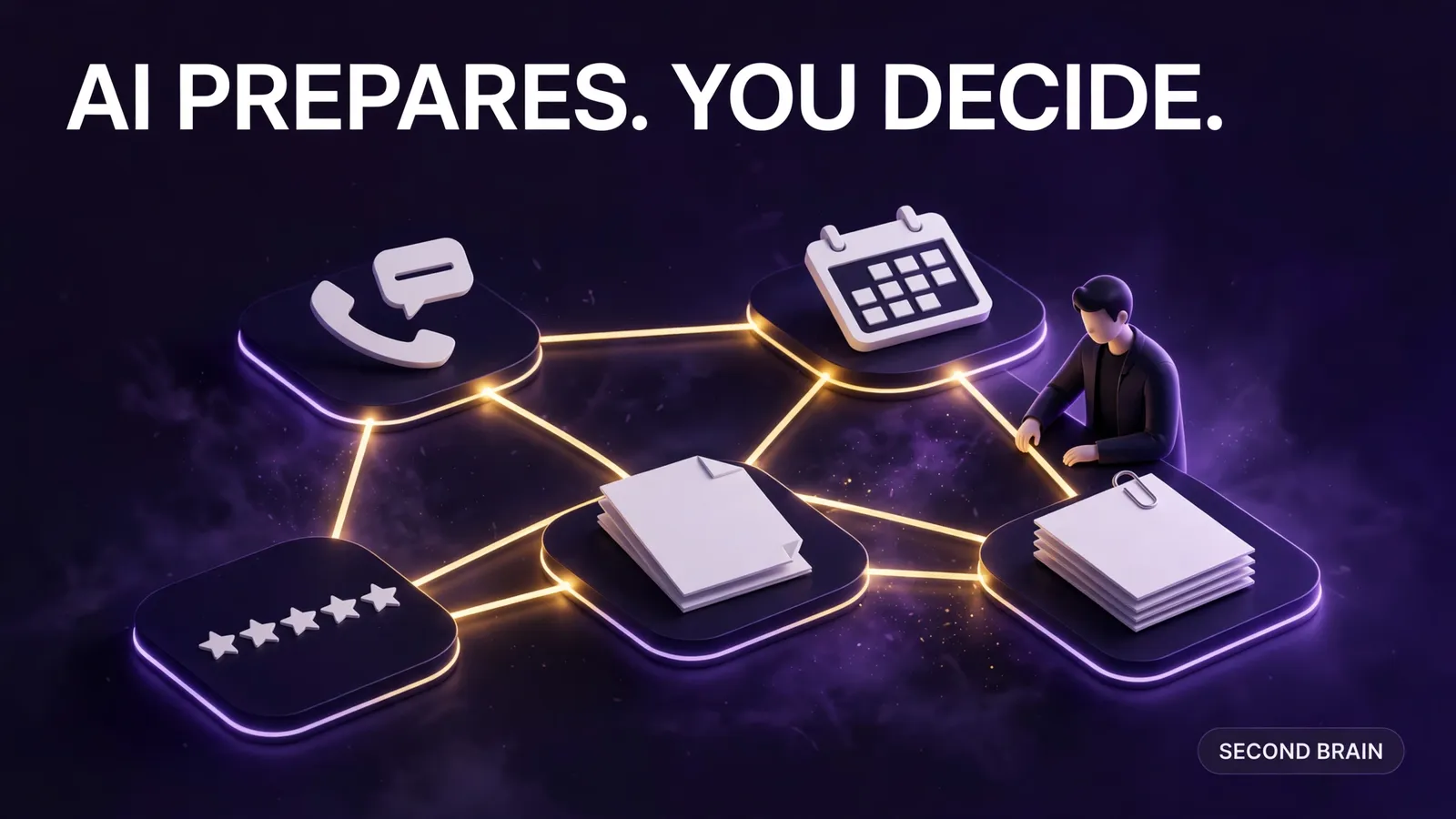
TL;DR: In a service business, AI automates best where the work is fast, repetitive, and easy to check: answering missed calls by text, following up on open estimates, sending reminders, requesting reviews, and drafting first responses for a human to approve. It automates badly where judgement, empathy, or money are on the line. Start with response speed, because that is where work is lost today, and add systems one at a time, each with a human owner and a way to measure whether it helped.
Key Takeaways
- Automate the work that is repetitive, time sensitive, and easy to verify. Leave judgement, negotiation, and complaint handling with people.
- The highest value starting point for most service businesses is lead response: a missed call or a slow reply loses work that marketing already paid to create.
- Every system needs three things before it runs: a clear trigger, a human who owns the exceptions, and a record you can review.
- Sequence matters more than scope. One system that works beats five that half work.
- If a task needs your best person thinking hard, AI should prepare the work, not finish it.
What work is AI actually good at in a service business?
AI is good at work with four properties: it happens often, it needs to happen fast, the right answer follows a pattern, and a mistake is easy to spot and fix. In a typical service business that list includes:
- Missed call recovery. When a call goes unanswered, a text goes out within seconds, names the business, and starts a conversation. The system we build for this is described in our guide to the missed call text back system.
- Estimate and quote follow-up. Open quotes get a polite, scheduled sequence instead of relying on someone remembering. The roofing version of this pattern is in our estimate follow-up guide, and the same shape works for any trade.
- Appointment reminders and confirmations. Reminders tied to the actual booking record, with a simple way to reschedule, cut avoidable gaps in the day.
- Review requests. After a completed job, every customer gets the same neutral ask. See our guide to automating Google review requests for the policy safe version.
- First draft replies. Common enquiries get a drafted answer a human reviews and sends, rather than a blank inbox each morning.
Notice what these share: the system does the remembering, the timing, and the first move. A person still does the deciding.
What should AI not do in your business?
Be just as clear about the other list, because this is where implementations go wrong:
- Complaints and unhappy customers. A scripted apology from a system reads as dismissal. Route these to a person immediately, with the full history attached.
- Pricing judgement. Quoting, discounting, and scope decisions involve context a model does not have. AI can assemble the information for the decision. It should not make it.
- Anything regulated or sensitive. Health details, legal questions, and financial advice need qualified humans and proper records, not a confident generated answer.
- Final messages on high value relationships. A long standing customer should hear from a person. Automation can prompt the person and draft the note.
The rule we use in builds: if being wrong would cost you a customer, a review, or a compliance problem, a human stays in the loop. No exceptions for convenience.
In what order should you build these systems?
Build in the order work is currently being lost:
- Response first. Missed calls and slow lead replies lose booked work today. Fix response before buying more leads. Our piece on roofing speed to lead shows the same logic in one trade.
- Follow-up second. Open estimates and unanswered enquiries are revenue you already earned interest on. A follow-up sequence recovers it without new marketing spend.
- Schedule protection third. Reminders, confirmations, and no-show recovery protect the calendar you have already filled. The cost side of that problem is covered in our clinic no-show cost analysis, and the pattern applies beyond clinics.
- Reputation fourth. Review requests and reply habits compound quietly and support everything else.
- Internal drafting last. Once the customer facing systems are stable, use AI to draft quotes, summaries, and reports for staff to finish.
Each step should be live and measured before the next one starts. That sequencing is the core of our AI implementation process, week by week.
How do you know a system is working?
Measure three things per system, from the records the system itself creates:
- Volume: how many times it fired. Missed calls per week, follow-ups sent, reminders delivered.
- Conversion: how many of those became bookings, replies, or completed actions.
- Exceptions: how often a human had to step in, and why. A rising exception rate is information, not failure. It tells you where the pattern breaks.
If you cannot get those three numbers, the system is not finished, however clever the automation looks. This measurement discipline is also why we are blunt about cost: our breakdown of AI implementation cost shows what the build, the tools, and the ongoing ownership actually add up to, including the cases where the honest answer is to buy less.
When should you not automate at all?
Sometimes the answer is not yet, or not this. Do not automate a process that is broken by hand, because automation makes a broken process faster, not better. Do not automate work so rare that building the system costs more than doing it manually for a year. And do not automate to avoid a hard staffing conversation: if the real problem is that nobody owns follow-up, name an owner first, then automate their routine parts.
Second Brain builds these systems for service businesses, and the first step is always the same audit: where is work being lost, in what order, and what would prove a fix worked. If the audit says buy nothing, we say so.
FAQ
What is the first thing a service business should automate?
Lead response. A missed call text back or an instant first reply to a web enquiry protects revenue you have already spent money to attract, and it is simple to verify against your own enquiry log. Start there, measure it, then expand.
Will AI replace my office staff?
No, and a vendor who promises that is selling you a problem. In the businesses we work with, automation removes the remembering and chasing work so staff can handle conversations, exceptions, and customers properly. Headcount promises are the wrong frame. Capacity and response time are the right ones.
How much automation is too much?
When customers cannot reach a person easily, or when staff stop trusting the system and work around it, you have gone too far. Every automated flow needs an obvious human exit, and every exception needs a named owner. Past that line, each new automation should have to justify itself against a measured problem.
Do I need custom software to automate these things?
Usually not at first. Many of these systems run on the CRM and phone tools you already have, connected properly. Custom builds earn their place when the process is specific enough that off the shelf tools fight you, which is the decision our custom vs off the shelf software guide works through.
Sources
- Guidance in this post is general practice from Second Brain's implementation work with service businesses. No external statistics are claimed.